
Construction Site Security: How to Prevent Theft and Trespass
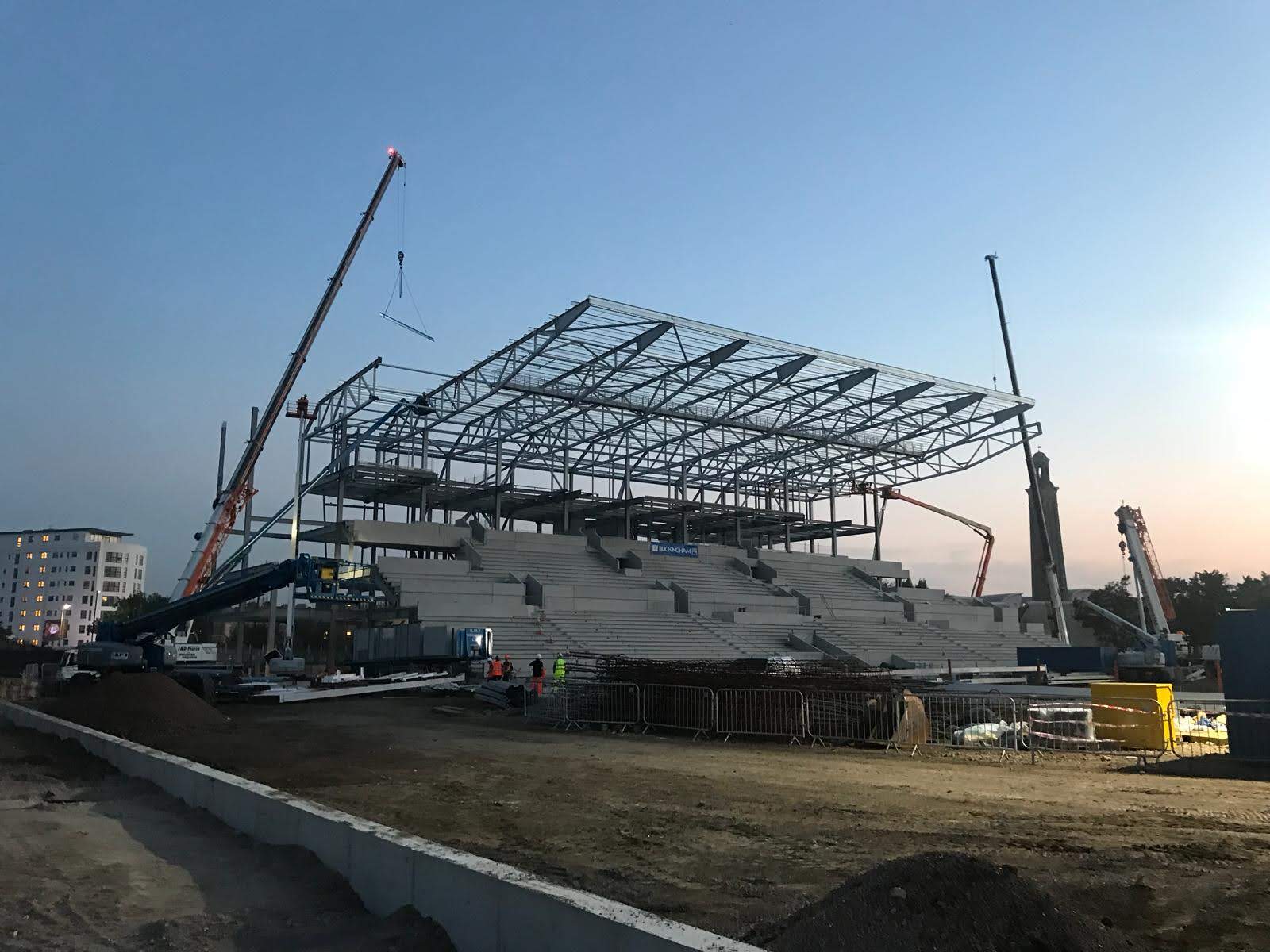
Construction sites are one of the most targeted types of property in the UK. Valuable plant, tools and materials are often left out overnight, sites change layout constantly, and access is hard to fully control while work is ongoing. The result is a persistent theft and trespass problem that costs the industry heavily every year.
This guide looks at why sites get targeted, what’s most at risk, and the security measures that make the biggest difference.
The scale of the problem
Theft from construction sites is estimated to cost the UK industry at least £800 million a year, and a recent industry survey found 70% of site professionals had witnessed theft on site in the past year. Much of this comes down to opportunity: sites with weak perimeter security, no lighting and nobody present out of hours are the easiest targets.
concreteconnect
concreteconnect
What’s most commonly targeted
Plant and machinery — excavators, diggers, generators and compressors, which have high resale value and are often left on site between shifts
Fuel — diesel theft from plant and site fuel stores is common and can halt work the next day
Tools and power tools — easy to carry, easy to sell on
Metal and cabling — copper piping and cabling are frequent targets due to scrap value
Materials — timber, bricks and fittings, particularly from unattended compounds
Why sites are vulnerable
Construction sites are harder to secure than most commercial premises because:
The layout changes as work progresses, so fencing and access points shift throughout the project
Staff and subcontractor turnover makes it difficult to control who has access or knowledge of the site
Sites are often quiet or fully unattended overnight and at weekends
Valuable equipment is regularly left in place rather than removed, simply because it’s impractical to do otherwise
Security measures that reduce risk
Static security guards
A guard presence deters casual and opportunist theft and provides an immediate response if someone gains access. This is particularly effective overnight and at weekends, when sites are otherwise unattended.
Security dog patrols
A handler and dog team covers ground quickly and is a strong visual deterrent, especially across larger or more open sites. Dogs can detect an intruder’s presence well before a person would notice, which matters on sites with multiple entry points or poor visibility.
CCTV and remote monitoring
Cameras provide a record of activity and, when monitored, allow a response to be triggered as soon as movement is detected. On a site with a fixed layout, fixed cameras work well; on a site still under construction, mobile or tower-mounted camera units are often more practical.
Mobile patrols
Scheduled patrols at varying times make a site less predictable to anyone watching it, without the cost of a full-time guard. This suits smaller sites or lower-risk stages of a project.
Physical and procedural measures
Secure compounds, ground-anchored equipment, CESAR marking or similar plant registration schemes, controlled key access and a clear sign-in process for contractors all reduce opportunity, and support a police response if theft does happen.
Matching security to the stage of the project
Risk changes as a project progresses. Groundworks and early-stage sites often have plant and fuel on show with minimal structure to restrict access. Later stages bring fittings, cabling and finishing materials into the building itself. A security plan should be reviewed at each stage rather than set once at the start.
Frequently asked questions
What’s the most effective security measure for a construction site?
There isn’t a single answer — it depends on the site’s size, layout and what’s most at risk. Most effective plans combine a physical deterrent (guards or dogs), monitoring (CCTV), and procedural controls (access lists, compound security).
Do security dogs work well on construction sites?
Yes. Sites are often large, uneven and poorly lit, which suits dog patrols well, since they cover ground faster than a guard on foot and detect intruders earlier.
Is CCTV alone enough for a construction site?
On its own, CCTV records incidents rather than preventing them. It’s most effective combined with a guard, patrol or monitored alarm response that can act on what the cameras pick up.
When should site security start?
Ideally from the point plant and materials first arrive on site, not after an incident has already happened.
Protect your construction site
Pride K9 provides security guards, dog handlers, CCTV and mobile patrols for construction sites across the UK. Every site is assessed individually, so the security plan reflects the actual layout, materials and stage of the project rather than a generic package. Get in touch with the team to discuss security for your site.